

Cruising During Hurricane Season: What Travelers Should Know
Planning a cruise should be exciting, but for many travelers, one question comes up before they ever choose a ship or itinerary: What if it's hurricane season? Images of powerful storms and disrupted travel often dominate news coverage, making it easy to assume the Caribbean becomes unpredictable for months at a time.
The reality is much more nuanced - millions of people cruise throughout hurricane season every year, and many experience little more than a passing rain shower or a minor itinerary adjustment. That's largely because modern cruise lines don't simply react to changing weather. They continuously monitor tropical systems, adjust routes when necessary, and make operational decisions designed to avoid severe conditions whenever possible.
Hurricane season is a factor worth understanding, but it doesn't have to be a reason to avoid cruising altogether. Knowing how cruise lines prepare, why itineraries sometimes change, and what you can do before you travel provides a clearer picture of what to expect if you sail during this time of year.
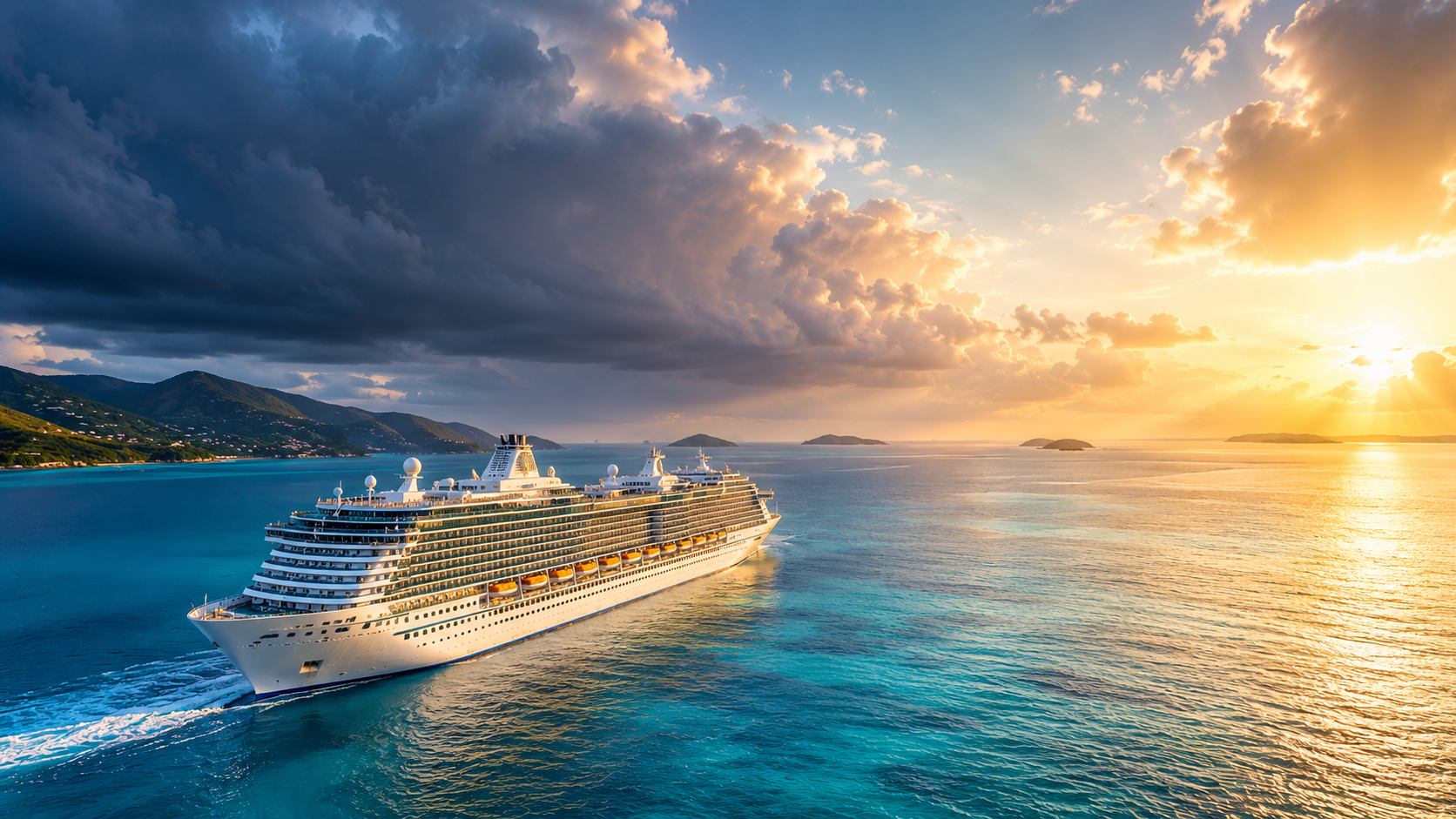
💡 What Travelers Might Find Surprising
Modern cruise lines continuously monitor tropical systems and often adjust routes well before passengers ever encounter unfavorable conditions so while itineraries may occasionally change to avoid severe weather, complete cruise cancellations are far less common than many people expect.
Understanding Hurricane Season
When your hear the phrase “hurricane season”, it's easy to imagine months of relentless storms stretching across the Caribbean. In reality, hurricane season is simply the period of the year when conditions are more favorable for tropical systems to develop. It officially runs from June 1 through November 30, with activity generally peaking between August and October, but that doesn't mean hurricanes are constantly forming or affecting every destination throughout those six months.
Part of the confusion comes from the sheer size of the Caribbean. The region spans thousands of miles, and weather can vary dramatically from one area to another. A tropical system in the eastern Caribbean may have little or no effect on sailings in the western Caribbean, the Bahamas, or the Gulf of Mexico. Even islands separated by only a few hundred miles can experience completely different conditions, with one receiving heavy rain while another enjoys sunshine and calm seas.
That geography is one of the reasons cruising differs from staying at a land-based resort. A hotel sits exactly where it was built, regardless of the forecast. A cruise ship, on the other hand, can adjust its course, visit a different port, or change the order of its itinerary if weather makes the original plan less desirable and many of these adjustments are made well before severe weather reaches the ship's planned route.
None of this means hurricanes should be ignored. Tropical systems can and do affect cruise itineraries each year, just as winter storms, wildfires, or other weather events influence travel in different parts of the world. The difference is that cruise lines plan for those possibilities every day. Understanding how hurricane season actually works makes it easier to separate the seasonal risk from the common misconception that the entire Caribbean spends six months under constant threat of severe weather.
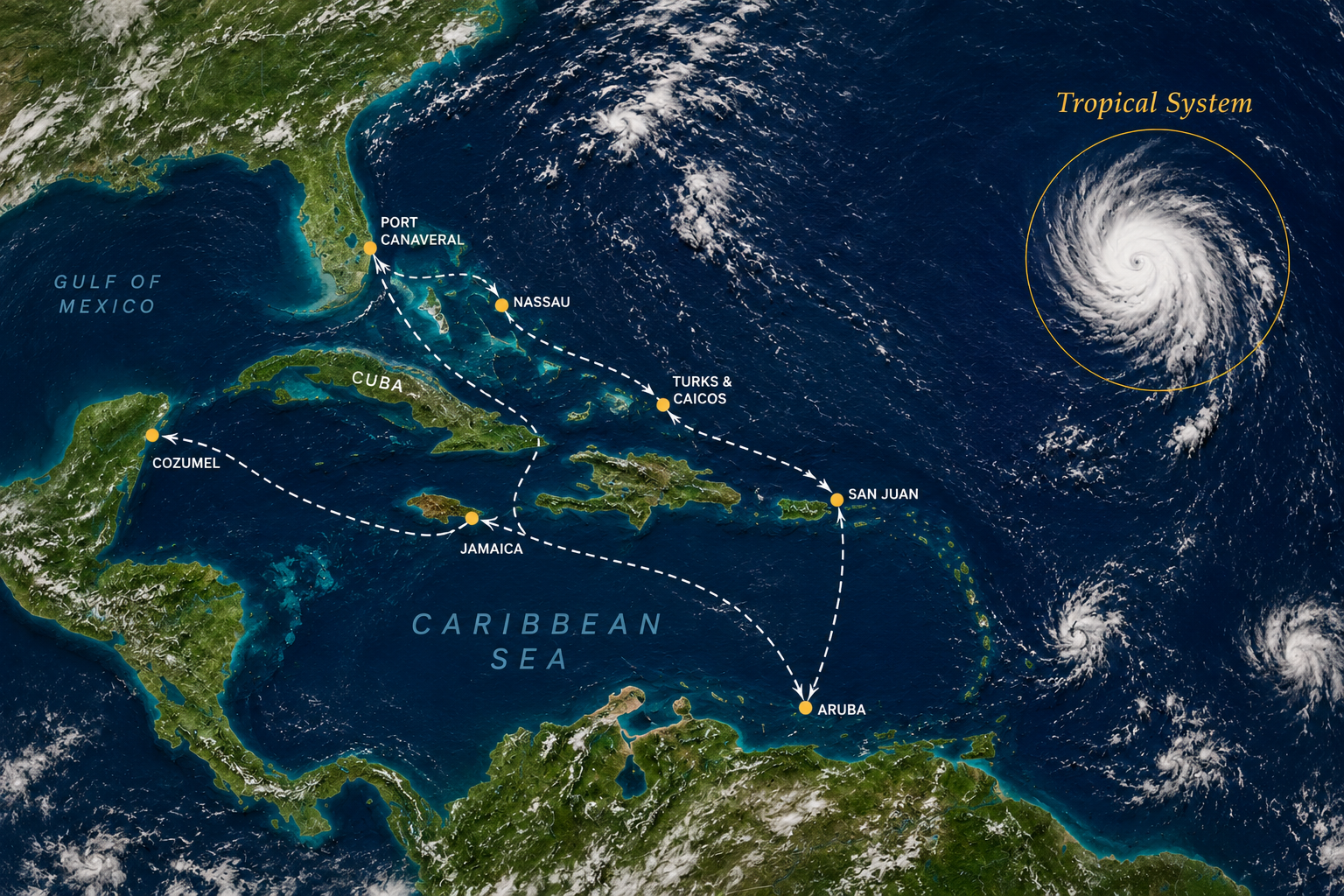
💡 What Travelers Might Find Surprising
Although hurricane season lasts six months, tropical systems rarely affect the entire Caribbean at once. A storm impacting one region may have little or no effect on destinations hundreds of miles away. That's why many cruises continue operating as planned even when a named storm is making headlines elsewhere in the region.
How Cruise Lines Stay Ahead of Severe Weather
One of the biggest misconceptions about cruising during hurricane season is that captains simply react to storms as they appear. In reality, avoiding severe weather begins long before a ship ever leaves port. Every itinerary is planned with the understanding that weather can change, and cruise lines continually evaluate forecasts, review conditions, and determine whether adjustments may become necessary.
Captains are only one part of that process. Behind every voyage is a team of operational specialists who monitor satellite imagery, government forecasts, tropical disturbances, wind speeds, wave heights, and other developing conditions around the clock. Working together, they continuously compare the ship's planned route against the latest forecasts, often identifying potential concerns days before they would have any impact on the voyage.
That advance planning gives cruise lines options. If forecasts suggest a storm could affect a scheduled port, the itinerary may be adjusted before guests ever notice a problem. Sometimes that means reversing the order of port visits. Other times, a different destination may be substituted, or the ship may take an alternate route overnight to avoid rough seas. Because these decisions are made as conditions evolve, changes are often implemented well before weather becomes hazardous.
This is also why cruise ships rarely find themselves in the path of a hurricane. Despite the dramatic images that sometimes accompany storm coverage, captains aren't trying to outrun tropical systems or sail through dangerous conditions. The goal is to avoid them altogether, using forecasting technology and operational flexibility to keep the ship in safer waters whenever possible.
For guests, that planning often happens quietly in the background. By the time an itinerary change is announced, the decision has usually been the result of hours, or even days, of monitoring and coordination. While no one enjoys seeing a favorite port replaced, those adjustments reflect the careful planning that allows cruises to continue safely while preserving as much of the vacation experience as possible.
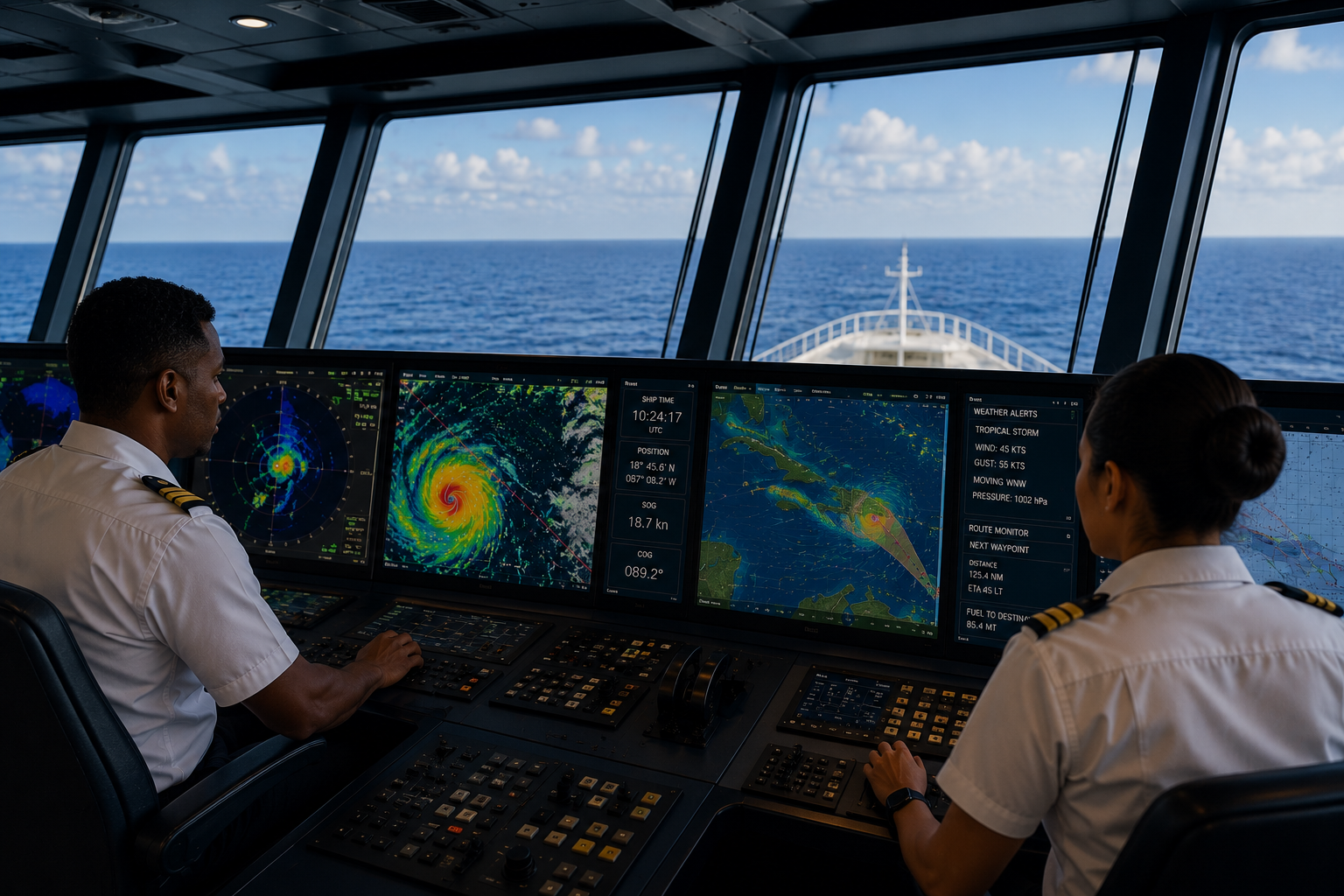
💡 What Travelers Might Find Surprising
Cruise ships don't simply rely on the weather forecast you see on your phone. Many major cruise lines employ professional meteorologists and use sophisticated forecasting technology to monitor developing weather systems around the clock. In many cases, itinerary adjustments begin days before passengers even realize a storm could become a concern.
What Happens If Your Itinerary Changes?
One of the biggest concerns travelers have during hurricane season is the possibility of missing a destination they've been looking forward to visiting. It's an understandable reaction. After spending months planning a vacation, researching ports, and imagining each stop along the way, the idea of an itinerary changing can feel like a major disappointment.
In practice, however, itinerary changes are simply one of the ways cruise lines adapt to changing conditions. If forecasts indicate that severe weather could affect a scheduled port, the ship may change the order of its itinerary, substitute another destination, or spend additional time at sea until conditions improve. Those decisions aren't based on the weather alone. Cruise lines also consider port availability, harbor conditions, sailing distances, and the overall guest experience before deciding on the best course of action.
This kind of flexibility isn't unique to hurricane season. Throughout the year, ships occasionally adjust their schedules because of high winds, rough seas, port congestion, medical emergencies, or operational considerations. A cruise itinerary has always been a plan rather than a guarantee, and the ability to adapt is one of the advantages of traveling by sea.
That perspective often changes the way experienced cruisers look at unexpected adjustments. Rather than measuring the success of a vacation by whether every scheduled port was visited, many focus on the experience as a whole. A different island, an extra afternoon at sea, or a destination they hadn't originally considered can become part of the adventure rather than a disappointment. More often than not, those unexpected moments end up being the stories people remember long after the cruise has ended.
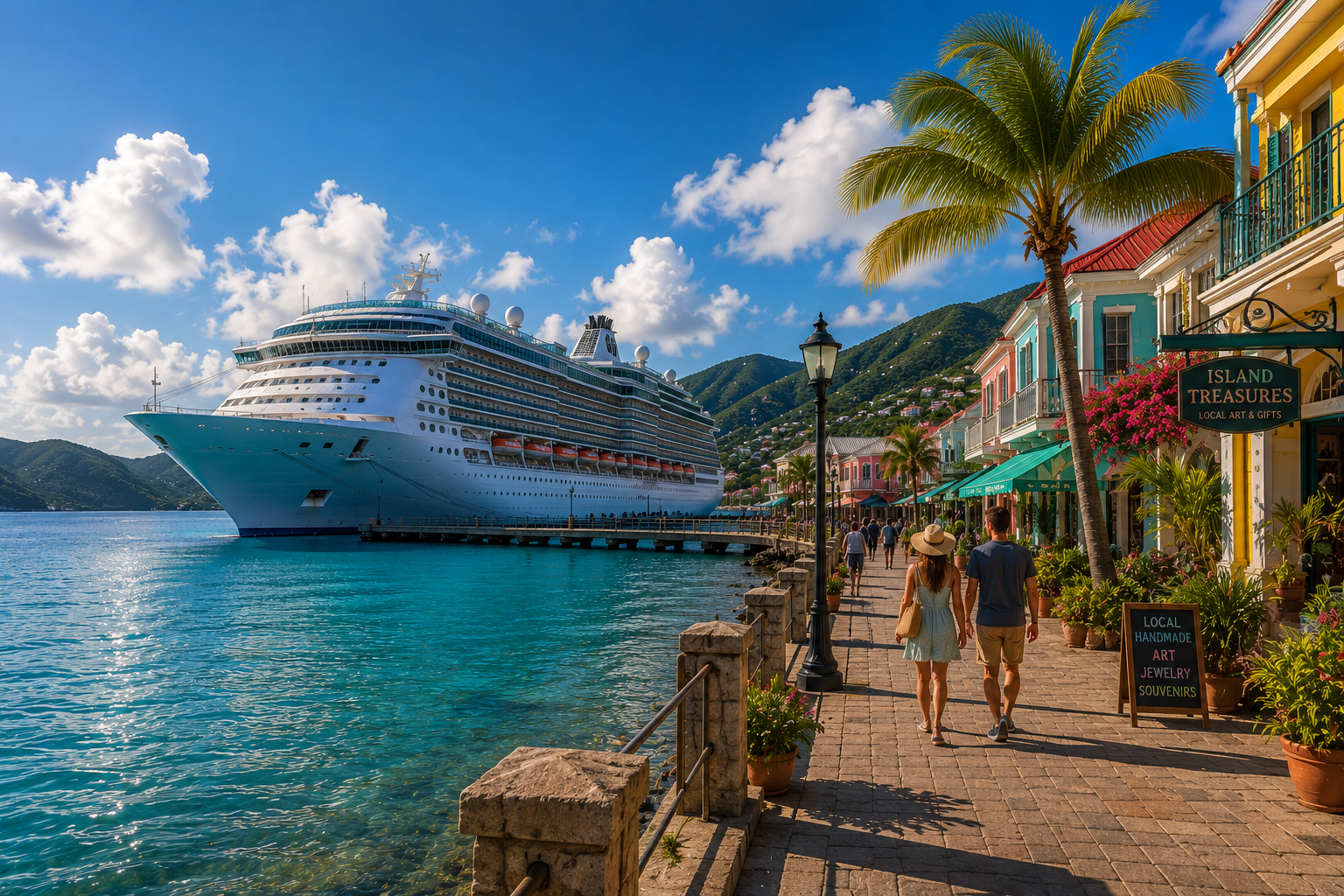
💡 What Travelers Might Find Surprising
When a cruise itinerary changes because of weather, it doesn't automatically mean your vacation is ruined. In many cases, cruise lines substitute another destination, adjust the order of ports, or add additional time at sea to keep guests safely away from the storm while preserving as much of the experience as possible.
Planning Ahead for Peace of Mind
Preparing for a cruise during hurricane season doesn't require a completely different approach than traveling at any other time of year. Most of the same habits that make any vacation run smoothly become even more valuable if weather causes unexpected changes. A little planning before you leave home can make itinerary adjustments feel like minor inconveniences rather than major disruptions.
One of the best examples is travel insurance. While no one books a vacation expecting delays or changes, understanding what your policy covers before you sail can make an unexpected situation far less stressful. Depending on your plan, coverage may include eligible trip interruptions, delays, or additional expenses caused by severe weather, allowing you to focus on your vacation instead of scrambling to understand your options after something happens.
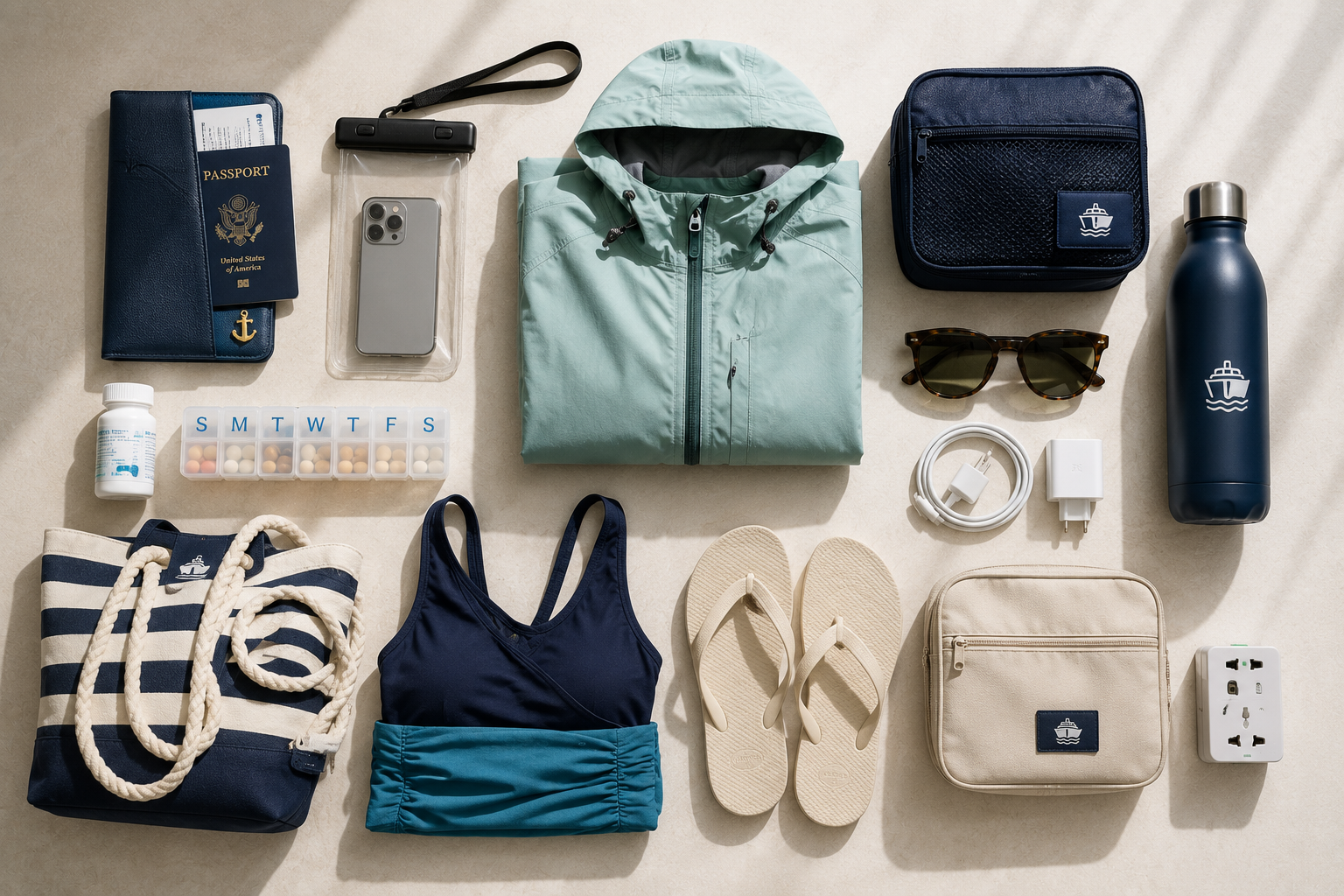
The same mindset applies to your schedule. Cruises return on time the vast majority of the time, but weather occasionally has other plans. Giving yourself a buffer before an important meeting or booking a return flight later in the day can remove unnecessary pressure if disembarkation is delayed. Packing with changing weather in mind follows the same principle. A lightweight rain jacket, comfortable walking shoes, and a few essentials take up very little space, but they leave you prepared whether you're exploring a port, enjoying an extra day at sea, or simply dealing with an afternoon shower.
Ultimately, preparing for hurricane season isn't about expecting something to go wrong. It's about recognizing that travel is unpredictable by nature. Travelers who leave a little room for flexibility often spend less time worrying about the itinerary and more time enjoying the experience, even when it unfolds a little differently than expected.
💡 What Travelers Might Find Surprising
One of the best ways to prepare for a cruise during hurricane season isn't by constantly watching the weather, it's by packing smart, purchasing travel insurance, and staying flexible. A little preparation before you leave home can make unexpected changes feel like minor adjustments instead of major setbacks.
Final Thoughts
Hurricane season is just one of many factors that can influence a vacation, not a reason to rule one out entirely. Like any form of travel, cruising comes with variables that can't always be controlled. The difference is that cruise lines spend every day preparing for those possibilities, using advanced forecasting, operational planning, and the flexibility to adjust when conditions warrant.
For travelers, the goal isn't to predict the weather months in advance. It's to understand how cruise lines manage changing conditions, prepare accordingly, and recognize that an itinerary adjustment doesn't mean a vacation has been ruined. More often than not, it simply reflects the decisions being made behind the scenes to keep the voyage safe while delivering the best experience possible.
With realistic expectations, thoughtful preparation, and a willingness to embrace the unexpected, hurricane season can be just another time to discover everything a Caribbean cruise has to offer.
Related Reading
For readers interested in learning more about cruising during hurricane season, weather preparedness, and how cruise lines respond to changing conditions, the following resources provide additional insights and practical guidance.
National Hurricane Center (NOAA)
How To Prepare for a Cruise During Hurricane Season, According to Travel Advisors (Southern Living)
https://www.southernliving.com/how-to-prepare-for-a-cruise-during-hurricane-season-11993456
Cruising During Hurricane Season: What to Know—and Should You Go? (The Points Guy)
https://thepointsguy.com/cruise/cruising-during-hurricane-season/
How Cruises Have Handled Major Hurricanes (Condé Nast Traveler)
https://www.cntraveler.com/story/how-cruises-have-handled-all-these-hurricanes
Hurricane Season Cruising: What You Need to Know Before You Go (Cruise Critic)
https://www.cruisecritic.com/articles/hurricane-season-cruising-what-you-need-to-know-before-you-go
About the Author
Nadia Justice is the founder of Fae Attractions Travel Company, specializing in cruise vacations, accessible travel, sensory-friendly planning, and LGBTQIA+ travel. She believes travel should feel possible for everyone and enjoys helping clients explore the world with confidence through thoughtful planning and personalized support.