

Cruise Lines That Go Beyond Basic Accessibility
For those living with mobility limitations, sensory sensitivities, neurodivergence, chronic illness, hearing or visual impairments, or the need for more thoughtful support, basic compliance is not always enough.
A wider doorway or grab bars alone may technically meet accessibility standards, but true comfort often depends on far more nuanced factors such as ship layout, crowd management, sensory environment, dining flexibility, excursion support, staff responsiveness, and how well accessibility is integrated into the full travel experience.
💡 What many travelers don’t expect:
The best accessible cruise experience is often shaped by far more than wheelchair access alone. Factors like ship size, sensory environment, pacing, staff awareness, and overall travel style can dramatically influence whether a cruise feels genuinely supportive or simply technically compliant.
For many travelers, the idea of an accessible cruise vacation can sound reassuring on paper. Cruise lines often promote wheelchair friendly staterooms, accessible public spaces, and supportive guest services, creating the impression that accessibility has become largely standardized across the industry. In reality, however, “accessible” can mean very different things depending on the traveler’s specific needs.
For those living with mobility limitations, sensory sensitivities, neurodivergence, chronic illness, hearing or visual impairments, or the need for more thoughtful support, basic compliance is not always enough. A wider doorway or grab bars alone may technically meet accessibility standards, but true comfort often depends on far more nuanced factors such as ship layout, crowd management, sensory environment, dining flexibility, excursion support, staff responsiveness, and how well accessibility is integrated into the full travel experience.
This distinction matters because cruising can be one of the most rewarding ways to explore the world when the right fit is chosen. Cruises can reduce the burden of repeated hotel changes. For many travelers, the idea of an accessible cruise vacation can sound reassuring on paper. Cruise lines often promote wheelchair friendly staterooms, accessible public spaces, and supportive guest services, creating the impression that accessibility has become largely standardized across the industry. In reality, however, “accessible” can mean very different things depending on the traveler’s specific needs, priorities, and lived experiences.
💡 What many travelers don’t expect:
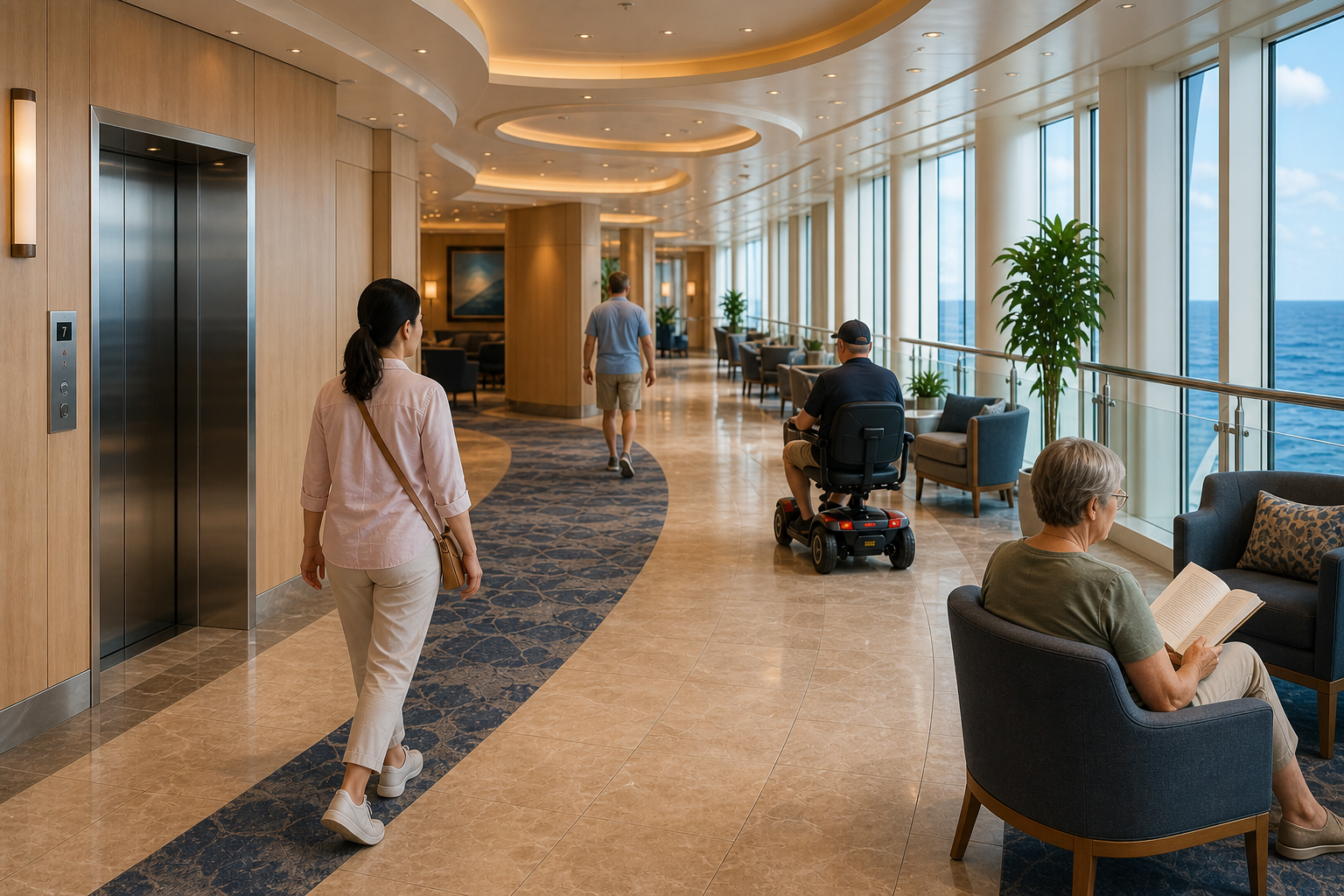
True cruise accessibility is often shaped less by a single feature and more by how thoughtfully the full environment works together. Clear navigation, calmer spaces, flexible design, sensory considerations, and practical day to day comfort can matter just as much as any one visible accommodation.
Royal Caribbean International: Broad Accessibility with Autism Friendly Family Support
Best for: Families seeking autism friendly resources, broad ship variety, and developmental support
Potential considerations: Larger ships may increase sensory load for some travelers
Royal Caribbean is frequently one of the first names that surfaces in conversations about accessible mainstream cruising, and for many travelers, that visibility is well earned. The line has developed a reputation for offering a broad spectrum of accessibility resources that may appeal to travelers with mobility needs, developmental disabilities, autism related considerations, and families seeking more proactive support than minimum compliance alone. While no cruise line is universally ideal for every traveler, Royal Caribbean often stands out because of the range of infrastructure and planning options it can provide.
One of Royal Caribbean’s most meaningful distinctions is its autism friendly program, which includes initiatives such as priority check in, boarding and departure, autism friendly films, toy lending, dietary accommodations, and trained youth staff in select programming. For many families navigating autism or developmental disabilities, this may represent more than convenience. It can create a stronger sense that the cruise experience has considered their reality before they even board.
This emotional shift can matter deeply. For families accustomed to preparing for sensory overwhelm, uncertainty, or environments that may not fully understand their needs, beginning with more structured support can reduce layers of anxiety that often accompany large scale travel. While these programs do not eliminate every challenge, they may create a more supportive baseline from which families can plan more confidently.
Royal Caribbean’s ship design can also be a major advantage. Many newer ships offer expansive accessible stateroom categories, elevators, wider public spaces, and large scale onboard variety. For travelers balancing accessibility with a desire for entertainment, family programming, and multiple destination opportunities, this can feel especially empowering.
However, larger ships can also introduce important tradeoffs. Mega ships often bring crowds, stimulation, noise, and activity intensity that may feel exciting for some travelers but exhausting for others. For sensory sensitive travelers or those managing overstimulation, ship selection may matter just as much as cruise line selection. A smaller or differently designed Royal Caribbean ship may sometimes offer a better overall fit than the largest vessel in the fleet.
For travelers seeking broad infrastructure, autism related family support, and mainstream accessibility options, Royal Caribbean often offers one of the most versatile foundations available. Its true strength may not lie in being universally perfect, but in offering enough range that travelers can more thoughtfully align ship style with personal needs.
💡 What many travelers don’t expect:
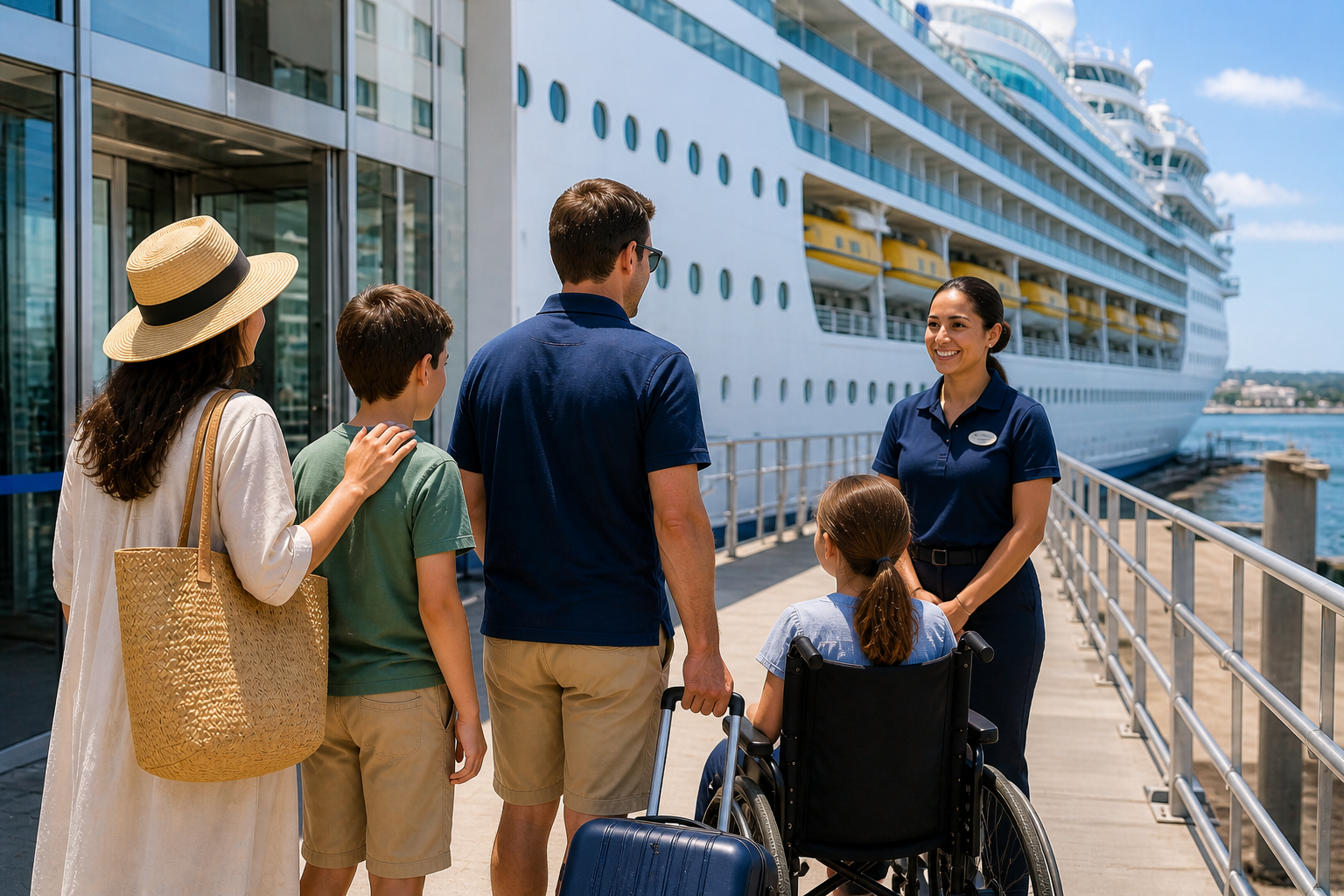
Royal Caribbean’s broad accessibility appeal is not just about physical infrastructure. For many families, autism friendly resources, developmental support options, and choosing the right ship size can play just as important a role in shaping whether the experience feels empowering or overstimulating.
Carnival Cruise Line: Sensory Inclusive Cruising with KultureCity Certification
Best for: Travelers seeking sensory inclusive initiatives, neurodivergent families, and budget conscious cruising with broader cognitive and sensory support
Potential considerations: Carnival’s lively, high energy atmosphere may feel overwhelming for travelers seeking quieter or lower stimulation environments
Carnival Cruise Line may not always be the first name travelers associate with accessibility innovation, but its fleetwide KultureCity sensory inclusive certification has positioned it as an especially relevant option for travelers whose needs extend beyond traditional mobility accommodations. In a travel landscape where accessibility conversations often focus heavily on physical infrastructure, Carnival’s emphasis on sensory and cognitive inclusion reflects a broader understanding of what meaningful support can actually look like. For neurodivergent travelers, families navigating autism, ADHD, sensory processing differences, or cognitive support needs, this distinction can be especially important because accessibility is not always about ramps, elevators, or cabin layouts alone. It can also be about whether travelers feel understood, respected, and better supported in dynamic social environments.
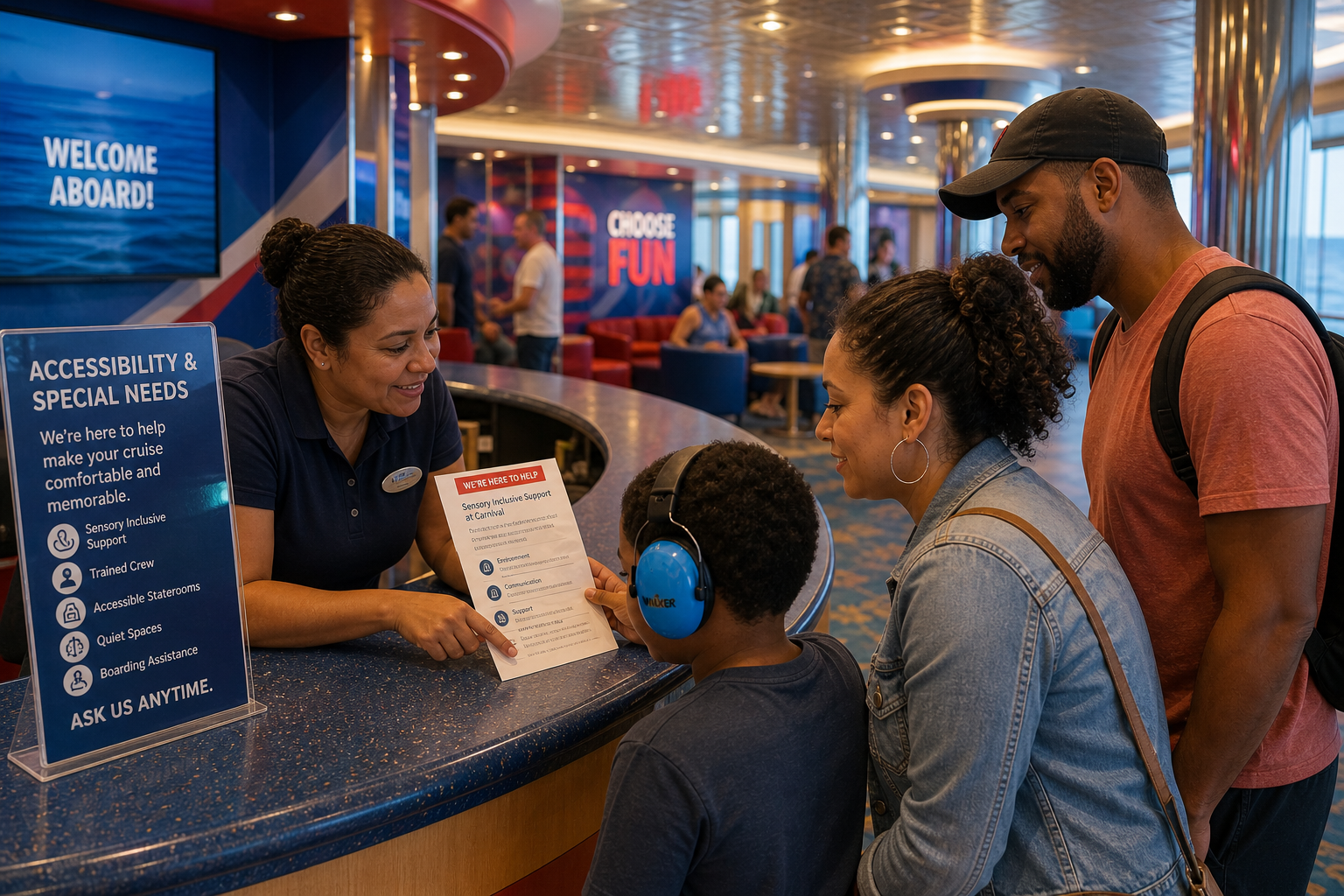
Through its KultureCity partnership, Carnival has implemented sensory inclusion training designed to better prepare crew members for interacting with guests who may experience sensory sensitivities or cognitive differences. For many families, this may offer something that is often difficult to find in mainstream travel: a stronger sense that sensory needs are being recognized proactively rather than reactively. This does not mean every ship environment will automatically feel ideal for every traveler, but it can provide an added layer of confidence for families who often face uncertainty when entering crowded or highly stimulating spaces. In practice, this broader framework can help travelers feel that accessibility extends beyond physical logistics and into the human side of guest interaction, which can be just as meaningful.
Carnival’s broader appeal also lies in accessibility through affordability. Compared to some premium cruise lines, Carnival may offer travelers more financially approachable entry points into cruising, which can be particularly valuable for families already balancing the added costs that accessibility equipment, therapies, medical needs, or specialized travel adaptations may require. This affordability can help make cruising feel more attainable for travelers who might otherwise feel priced out of family travel options that provide structured support.
That said, Carnival’s onboard atmosphere is often energetic, socially active, and highly stimulating. For some travelers, this may feel exciting, celebratory, and family friendly. For others, particularly those who are highly sensory sensitive or seeking lower stimulation, this may require more intentional planning. Noise levels, crowd density, and activity intensity can vary significantly depending on ship, itinerary, and sailing style. This does not make Carnival a poor fit. Rather, it reinforces an important truth about accessible travel: accessibility is rarely one dimensional. Carnival may be especially valuable for travelers seeking sensory inclusive initiatives within a lively, budget conscious model, but the best fit still depends on whether the broader onboard environment aligns with the traveler’s personal sensory profile, energy needs, and comfort level.
For many travelers, Carnival’s greatest strength may be that it helps broaden the accessibility conversation itself. By explicitly acknowledging sensory inclusion as part of the travel experience, Carnival reflects a growing recognition that accessibility should include not only physical accommodations, but also cognitive, sensory, and emotional realities. For travelers who need more than basic accommodation, that broader perspective can create meaningful new possibilities.
💡 What many travelers don’t expect:
Carnival’s place on accessibility conversations may often come less from luxury level infrastructure alone and more from staff training, sensory inclusion partnerships, and practical guest support systems that can help families better navigate mainstream cruising with greater confidence.
Holland America Line: Calm, Comfortable Cruising for Travelers Seeking Lower Stimulation
Best for: Travelers with chronic illness, sensory sensitivities, fatigue related conditions, or those who prioritize calmer pacing and lower stimulation
Potential considerations: Holland America’s quieter atmosphere may feel too subdued for travelers seeking highly active nightlife or nonstop onboard entertainment
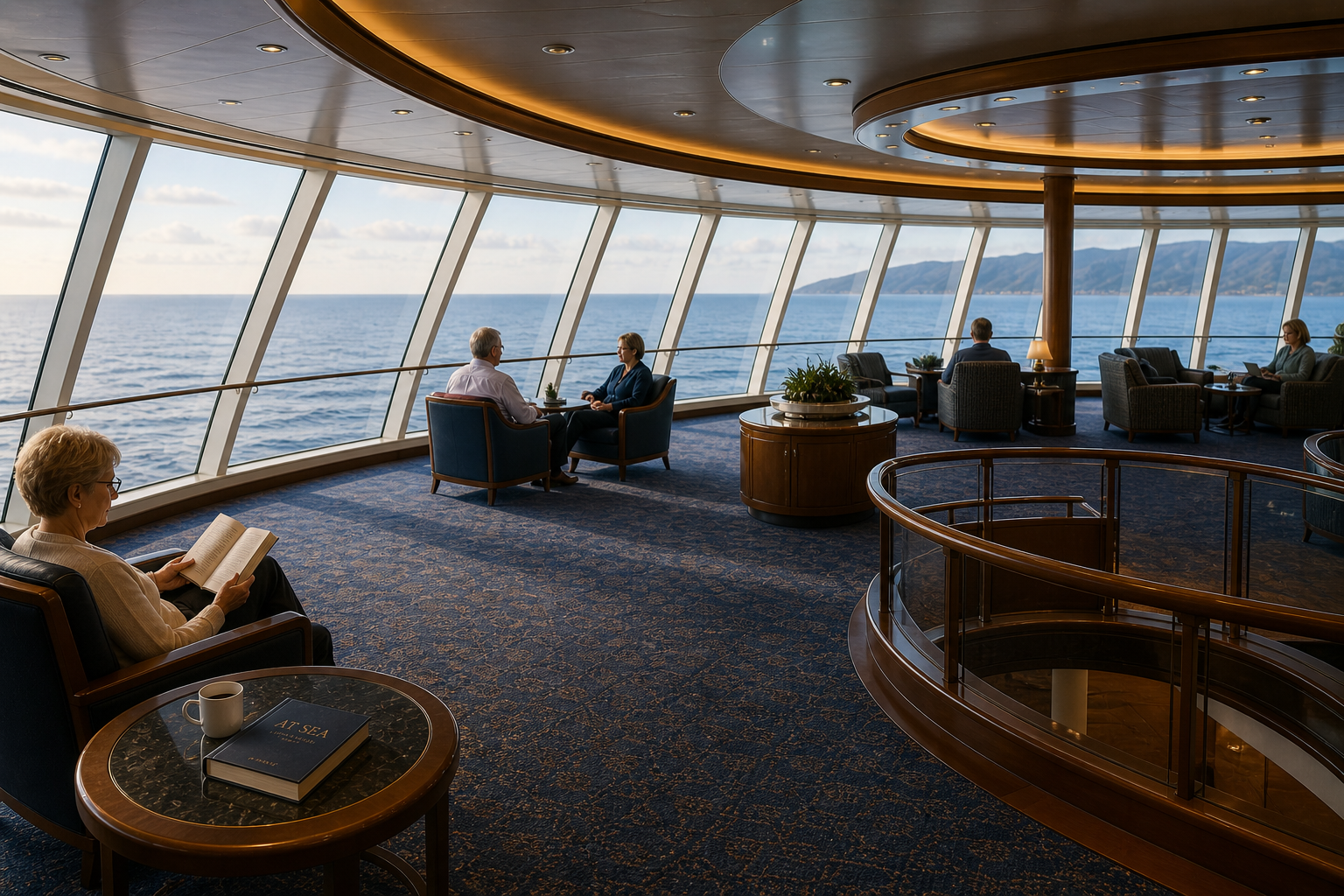
For some travelers, accessibility is not defined primarily by wheelchair ramps, grab bars, or cabin dimensions. It is defined by pacing, sensory load, energy management, and whether the overall environment feels sustainable. This is where Holland America Line often offers a distinctly valuable alternative. While it may not always dominate mainstream accessibility marketing conversations, Holland America is frequently appreciated for something that many travelers with chronic illness, sensory sensitivities, fatigue related conditions, or anxiety may find deeply meaningful: a calmer onboard experience.
Known for its generally more mature demographic, quieter public spaces, and more measured onboard culture, Holland America can offer a style of cruising that feels less overwhelming than larger, more stimulation heavy ships. For travelers who may find nonstop announcements, crowded pool decks, highly amplified entertainment, or constant activity exhausting, this distinction can have a major impact on whether a vacation feels restorative or draining.
For travelers managing chronic pain, autoimmune conditions, sensory sensitivities, or limited stamina, the luxury of accessibility is often not just physical accommodation. It is the ability to preserve energy and enjoy the experience more sustainably. A quieter ship environment may reduce the constant self regulation some travelers must otherwise maintain in more chaotic travel settings. In this sense, accessibility can become environmental as much as structural.
Holland America also provides formal accessibility support related to mobility, hearing, and broader guest assistance, but what often differentiates the line is the broader rhythm of the experience itself. Dining, enrichment, music, and destination programming may feel more measured and less frenetic, which can appeal strongly to travelers who prioritize thoughtful pacing over nonstop stimulation.
This style may not be ideal for everyone. Families seeking constant youth centered activity or travelers drawn to larger, more socially energetic cruise cultures may find Holland America too subdued for their preferences. But for travelers who need calm to fully participate, or for those whose disabilities intersect more with fatigue, sensory management, or sustainable pacing, Holland America may feel less like compromise and more like genuine freedom.
For travelers who value accessibility through atmosphere as much as infrastructure, Holland America can represent an important reminder that supportive travel is not always about doing more. Sometimes, it is about creating an environment where travelers can comfortably do what matters most.
💡 What many travelers don’t expect:
For some travelers, accessibility may have less to do with constant activity and more to do with whether the environment itself feels sustainable. Quieter pacing, lower sensory load, spacious navigation, and reduced social intensity can meaningfully shape whether a cruise feels restorative or exhausting.
Princess Cruises: Practical Accessibility with Broad Mainstream Balance
Best for: Travelers seeking balanced mainstream accessibility, practical support across mobility, sensory, visual, or hearing needs, and a comfortable middle ground between mega ships and quieter traditional cruising
Potential considerations: Accessibility features, stateroom layouts, and accommodations can vary by ship, making ship specific research especially important for travelers with highly individualized needs
Princess Cruises often offers an especially valuable middle ground in the cruise accessibility landscape. For travelers seeking meaningful accessibility support without committing either to the highest stimulation family focused mega ships or the quietest traditional cruise environments, Princess may provide a practical, balanced option that feels both approachable and reassuring.
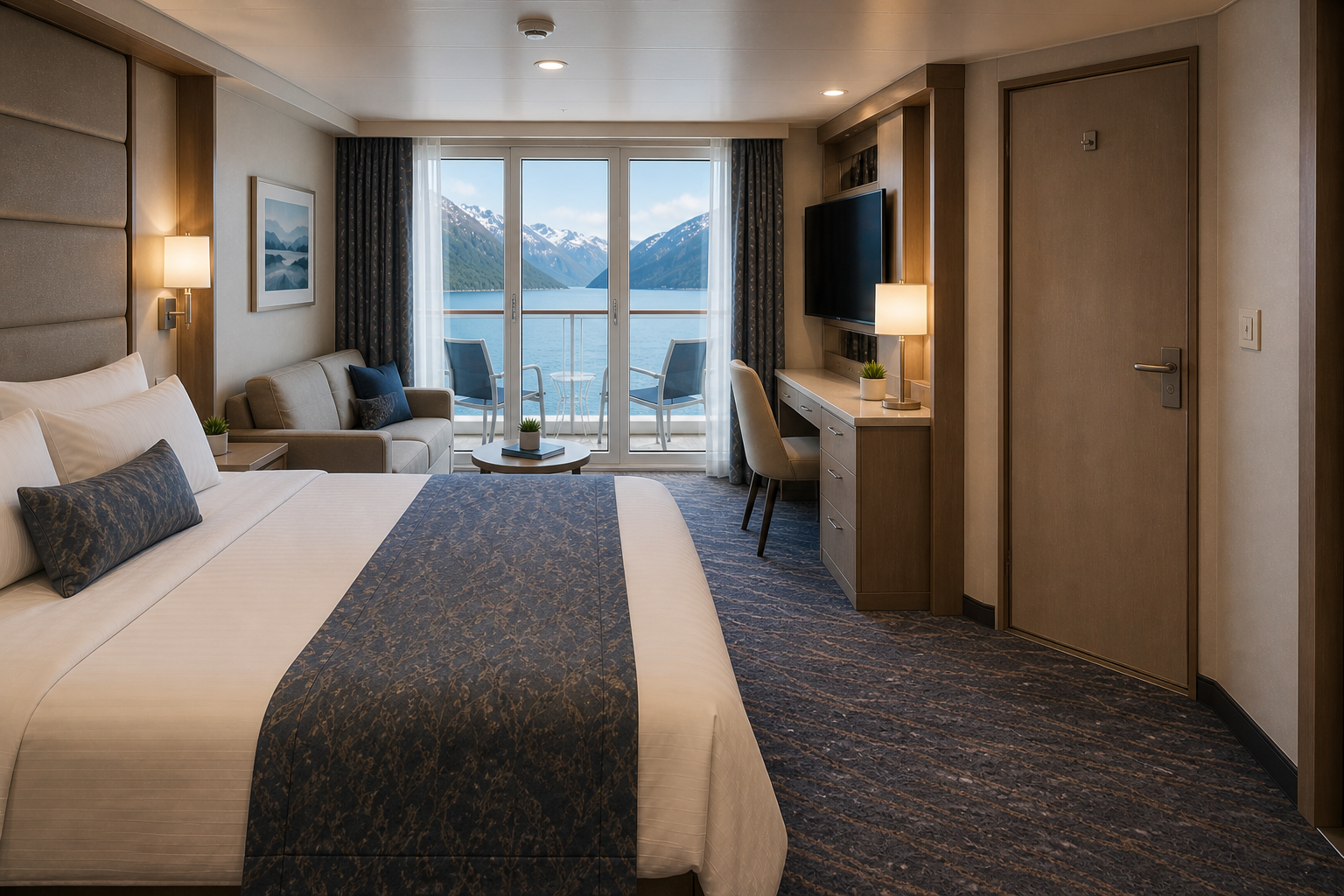
Princess’s strength often lies in broader accessibility infrastructure. Depending on ship, this may include accessible staterooms, wider doorways, roll in or transfer showers, mobility support, Accessibility Lane check in, app based accommodation requests, and practical guest services that can reduce logistical friction before and during travel.
Importantly, Princess’s accessibility model may also extend beyond mobility alone. Visual, hearing, and broader accessibility resources such as Braille or tactile signage, assistive listening devices, accessible dining requests, and customizable support tools can create a more flexible experience for travelers with diverse needs.
What often makes Princess particularly appealing, however, is its broader experiential balance. Princess frequently offers a cruise environment that feels mainstream, destination focused, and comfortable without leaning as heavily into either nonstop high energy entertainment or lower stimulation traditional extremes. For many travelers, this may create a practical sweet spot.
This balance can be especially meaningful for travelers who want accessibility support while also prioritizing scenic itineraries, destination depth, and broader flexibility. Princess may particularly appeal to travelers who want supportive infrastructure without sacrificing mainstream comfort or exploration.
As with all cruise lines, consistency is not absolute. Ship design, remediation updates, itinerary, and stateroom category can all significantly impact the real world experience.
For many travelers, Princess may offer something especially valuable: reassurance through practical breadth and balance. Rather than specializing in one singular accessibility niche, Princess may appeal to travelers seeking broader support within a comfortable, mainstream cruise experience.
💡 What many travelers don’t expect:
Princess Cruises may not always stand out for one singular accessibility specialty, but for many travelers, its greatest strength may be practical balance. Broader support across mobility, visual, hearing, and planning needs paired with a comfortable mainstream cruise experience can make Princess especially appealing for travelers seeking flexibility without sacrificing reassurance.
Honorable Mentions: Celebrity Cruises and Disney Cruise Line
Celebrity Cruises
Best for: Adults and couples seeking accessible cruising within a more upscale, polished, and generally calmer mainstream environment
Potential considerations: Celebrity may offer fewer family specific developmental or sensory focused programs than some larger family centered cruise brands
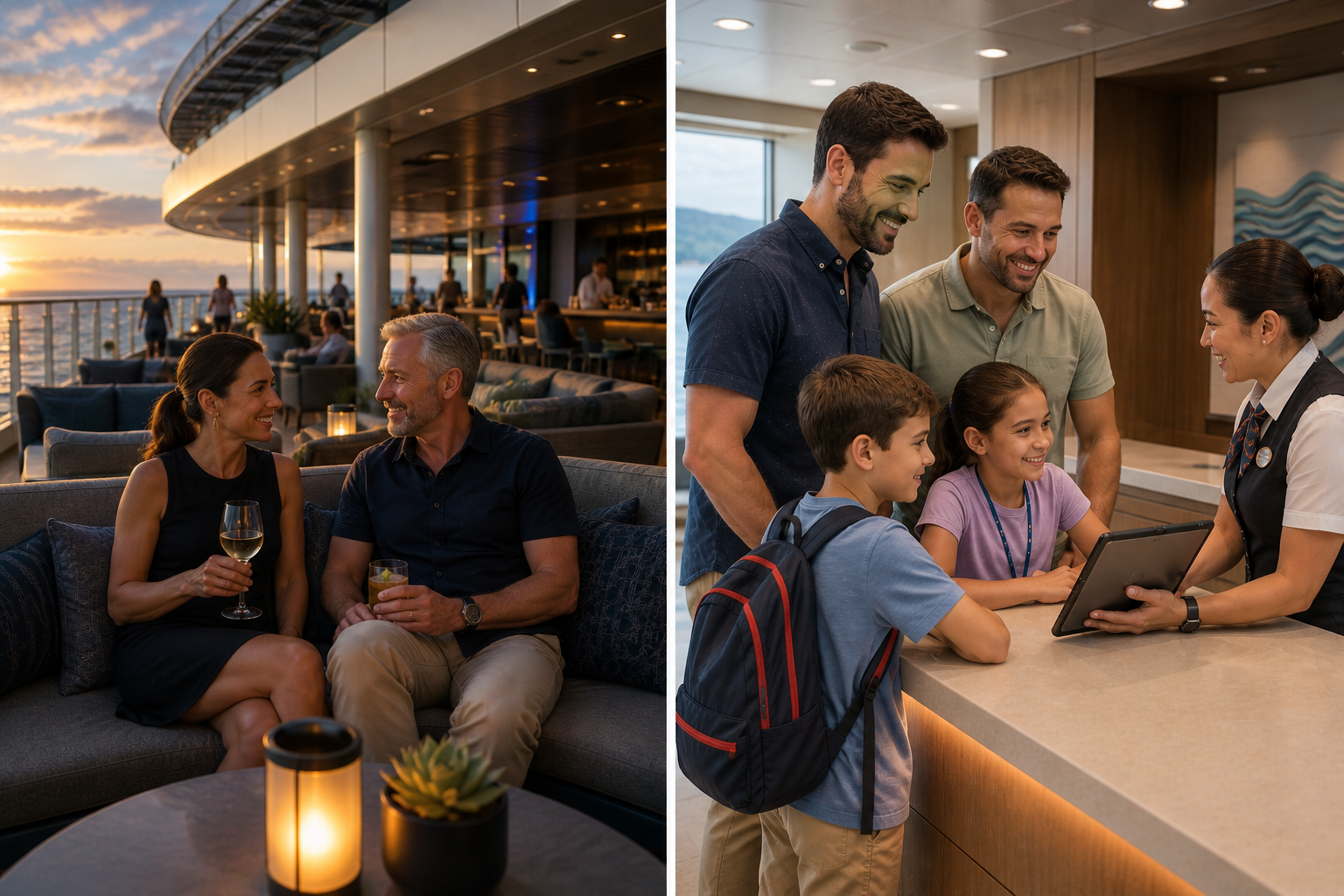
Celebrity may be particularly appealing for travelers who value accessible design within a more refined onboard atmosphere. For adults seeking quieter luxury, polished service, and supportive infrastructure without the intensity of some larger family first brands, Celebrity can represent a meaningful middle ground between accessibility and upscale comfort.
Disney Cruise Line
Best for: Families seeking structured autism support resources, disability planning tools, and Disney’s organized family focused travel ecosystem
Potential considerations: Higher pricing and strong family orientation may make Disney less practical for some travelers seeking broader flexibility or adult focused experiences
Disney Cruise Line may be especially valuable for families who prioritize highly structured planning tools, disability related support systems, and a family centric environment where autism and broader disability resources are more intentionally integrated into the planning process. While it may not be the right fit for every traveler, Disney can be a particularly strong option for families who value familiarity, structure, and a deeply organized approach.
💡 What many travelers don’t expect:
Celebrity Cruises and Disney Cruise Line may both offer valuable accessibility, but often in very different ways. Celebrity may appeal more to adults or couples seeking polished comfort, calmer upscale environments, and supportive mainstream design, while Disney may stand out for families who prioritize structure, organized disability planning tools, and a deeply familiar family focused travel ecosystem.
Final Thoughts
Accessible cruising should never be reduced to whether a ship technically meets minimum standards. For travelers who need more than basic accommodation, the real question is often whether the overall experience feels supportive, sustainable, and aligned with how they actually travel best.
Royal Caribbean may offer broad family accessibility and autism friendly infrastructure. Carnival may stand out through sensory inclusion and affordability. Holland America may provide calmer, lower stimulation environments that better support sustainable enjoyment. Princess may offer balanced, practical comfort that appeals across multiple accessibility priorities.
The right fit is rarely about choosing the “best” cruise line in general. It is about choosing the cruise line, ship, itinerary, and environment that best align with your own mobility, sensory, emotional, financial, and practical realities.
True accessibility is about more than getting on board. It is about whether travelers can move through the journey with dignity, confidence, and greater freedom.
When thoughtful planning meets the right cruise experience, accessibility can become far more than accommodation alone. It can become empowerment, opening the door to travel that feels less about limitations and more about possibility.
Related Reading
For travelers looking to explore accessibility, sensory support, and cruise planning more deeply, the following resources may offer helpful guidance:
• Cruise Critic: Accessible Cruising Guide
https://www.cruisecritic.com/articles/accessible-cruising
Cruise accessibility insights, ship comparisons, and traveler focused guidance for mobility and disability considerations.
• Royal Caribbean Autism Friendly Cruises
https://www.royalcaribbean.com/experience/accessible-cruising/autism-friendly-ships
Official information on Royal Caribbean’s autism friendly programming, accessibility support, and developmental disability accommodations.
• Carnival Cruise Line KultureCity Sensory Inclusive Program
https://www.carnival.com/about-carnival/special-needs/kulturecity-sensory-certified
Details on Carnival’s sensory inclusive certification, crew training, and support initiatives for sensory and cognitive needs.
• Princess Cruises Accessibility
https://www.princess.com/en-us/ships-and-experience/accessibility
Official accessibility information covering stateroom features, mobility support, and guest services.
• Holland America Line Accessibility
https://www.hollandamerica.com/en/us/about/accessible-cruising
Accessibility resources for mobility, hearing, and supportive cruise planning.
• Autism on the Seas
https://autismontheseas.com/
Specialized cruise support services and resources for families and travelers with autism or developmental disabilities.
About the Author
Nadia Justice, CTA, is the founder of Fae Attractions and a Luxury Travel Consultant specializing in hidden gems, remarkable destinations, luxury cruises, unique stays, and extraordinary travel experiences, with expertise in accessibility, sensory-friendly travel, and LGBTQIA+ inclusive travel.