

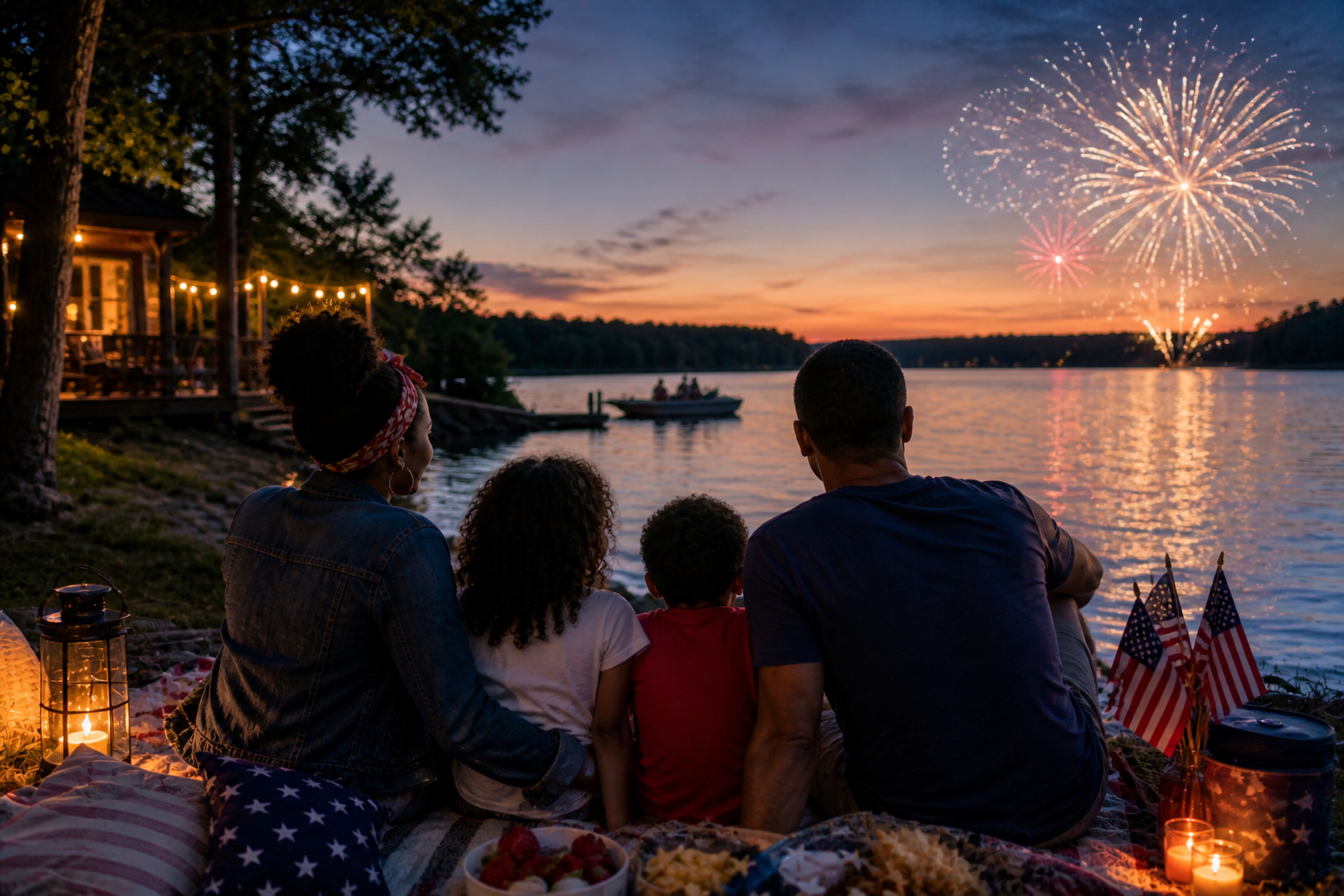
💡 What Travelers Might Find Surprising: Some of the most memorable Fourth of July experiences are often the quietest ones. Instead of battling crowds for fireworks, many travelers are discovering that lakeside cabins, beach rentals, small town celebrations, and private resort views can offer a more meaningful holiday with less stress, better flexibility, and often a far more personal sense of celebration.
When Traditional Celebrations Feel Like Too Much
For many families, the Fourth of July is often framed around big fireworks displays, packed festivals, crowded beaches, neighborhood parties, blaring music, and long days spent navigating heat, noise, and unpredictability. While these traditions can absolutely be joyful for some, they can also create an exhausting or even inaccessible experience for travelers with autism, ADHD, PTSD, sensory processing sensitivities, anxiety, young children, or anyone who simply finds high stimulation environments more draining than festive. The pressure to celebrate in conventional ways can sometimes leave families feeling as though opting out means missing the holiday altogether, when in reality, the opposite may be true.
Sensory overload is not simply about disliking crowds or preferring quieter settings. For many people, loud fireworks, sudden booms, flashing lights, packed environments, and disrupted routines can trigger genuine distress, emotional dysregulation, or physical discomfort. This can quickly turn what is meant to be a celebration into something families spend the entire day managing rather than enjoying. Even adults without diagnosed sensory needs may find the holiday’s expectations overwhelming, especially when travel logistics, traffic, and overstimulation are layered together.
A sensory friendlier Fourth of July does not mean giving up celebration or settling for less. It means intentionally designing a holiday around what actually feels good for you or your family. This shift often starts by recognizing that celebration is not defined by noise level or crowd size. Thoughtful planning, realistic pacing, and honoring individual needs can create an experience that feels festive while also being emotionally sustainable. Travel experts increasingly emphasize that the best trips are often the ones designed around comfort and accessibility, not obligation.
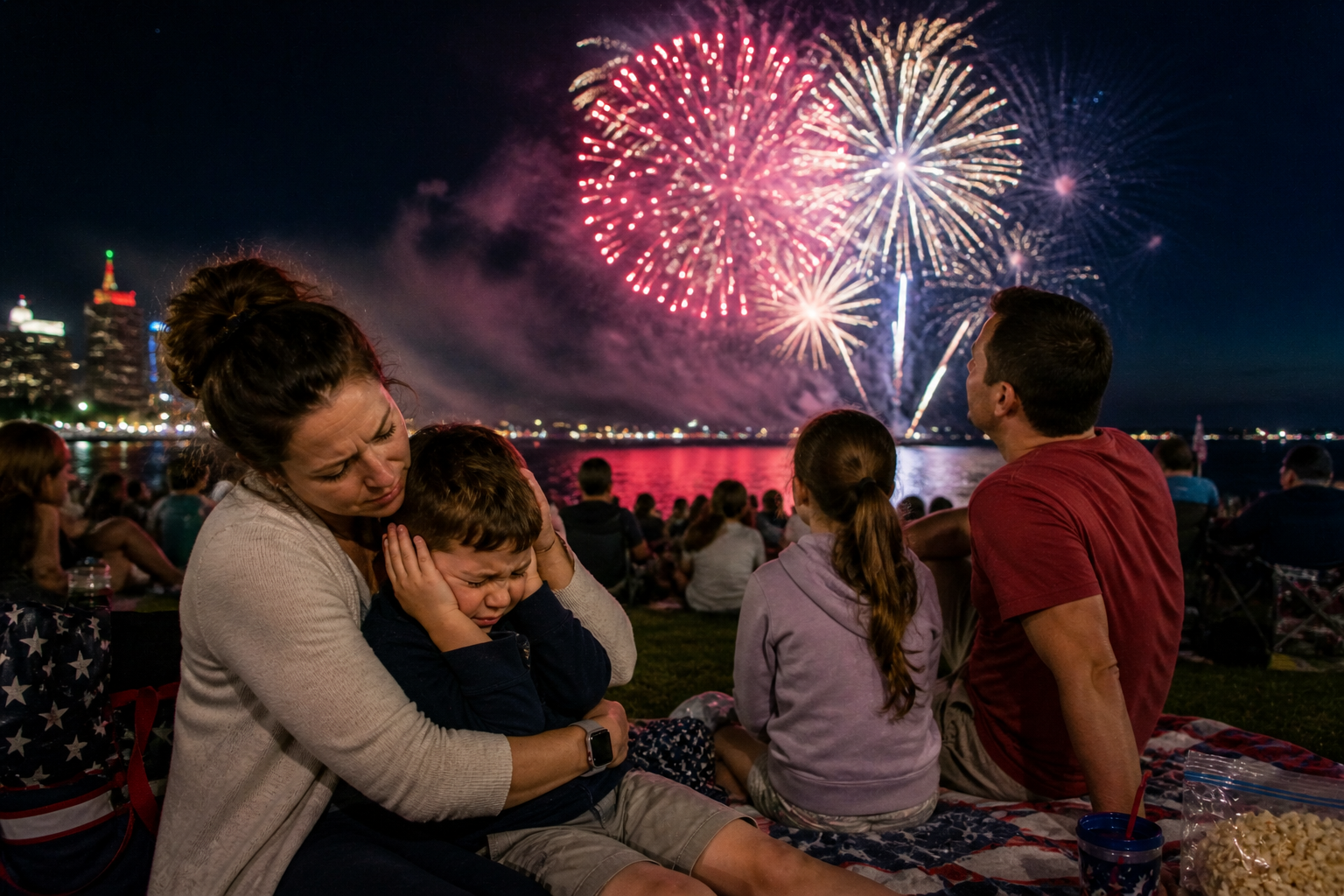
💡 What Travelers Might Find Surprising: Overstimulation is not always about disliking fireworks themselves. For many sensory sensitive travelers, the bigger challenges are often the crowd density, sudden noise, lack of personal space, traffic, or unpredictability surrounding the event. Sometimes changing where or how you watch can make a bigger difference than skipping the celebration altogether.
Choosing Destinations That Prioritize Space and Flexibility
One of the most impactful ways to create a more sensory supportive Fourth of July is by rethinking where you celebrate altogether. Large scale downtown fireworks events, overcrowded beaches, and packed tourist hubs can be exciting, but they also often come with limited control over noise, movement, parking, and exit options. For travelers with sensory sensitivities, one of the greatest forms of support is often something surprisingly simple: space.
Choosing destinations that naturally offer flexibility can dramatically reshape the holiday experience. Beachfront vacation rentals with private balconies, mountain cabins, lake houses, national park lodges, or smaller boutique resorts can all create opportunities to participate in celebration without feeling consumed by it. Watching fireworks from a distance, attending a small town parade, or enjoying holiday themed activities in lower pressure settings often allows families to engage on their own terms.
This flexibility matters because sensory comfort is rarely about avoiding joy. More often, it is about maintaining the ability to adjust. Can you leave early if needed? Is there a quiet room or private outdoor area? Can children decompress without feeling trapped? Does the environment allow for breaks without losing the entire experience? These factors can often make a larger difference than the destination itself.
Travel planning for sensory sensitive families often works best when “what if we need space?” becomes part of the design process from the beginning. Rather than building a trip around maximum activity, building it around options can create more success. In many cases, the freedom to regulate stimulation can lead to more actual participation, not less.
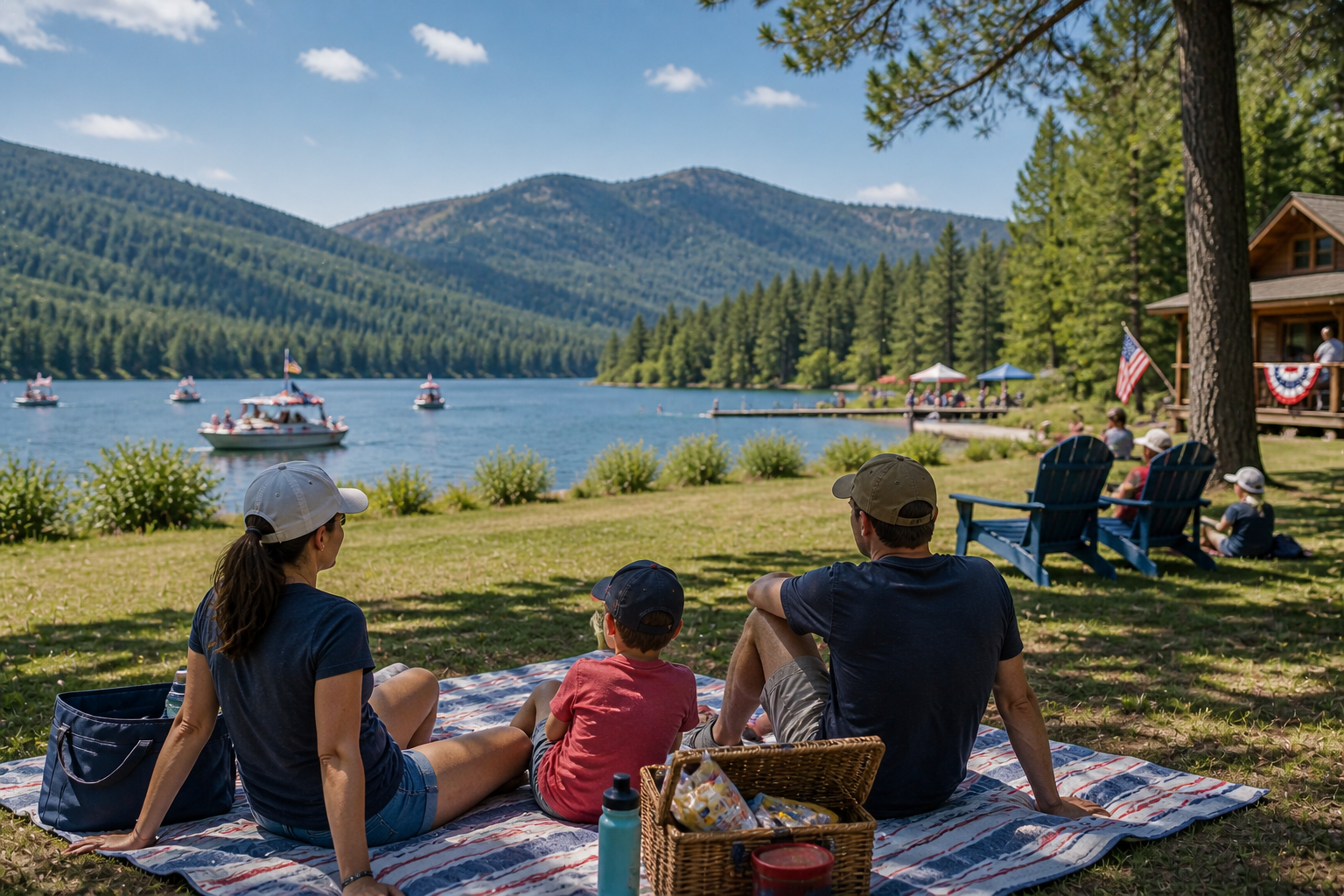
💡 What Travelers Might Find Surprising: For many sensory sensitive or flexibility focused travelers, the best Fourth of July destination is not necessarily the place with the biggest celebration. Wide open lakeside retreats, mountain cabins, and spacious resort settings can often provide access to holiday atmosphere without requiring constant immersion in crowds, noise, or rigid schedules.
Exploring Daytime Alternatives to Nighttime Fireworks
For many travelers, one of the most effective ways to reduce sensory stress is by broadening the definition of what Fourth of July celebration can look like. Fireworks may be iconic, but they are far from the only way to create meaningful holiday memories. In fact, for many families, shifting focus away from nighttime sensory intensity can open the door to experiences that feel just as festive while being far more enjoyable.
Daytime celebrations often offer more predictability, less sensory disruption, and greater accessibility. Patriotic train rides, community parades, historical landmarks, family friendly museum events, scenic boat tours, holiday brunches, or nature based outings can all provide a sense of occasion without the same pressure as crowded nighttime events. Many small towns also offer charming Independence Day celebrations that feel festive without the overwhelming scale of major city events.
This approach can be especially valuable for children or neurodivergent travelers who thrive on routine or struggle with sudden loud noises. By creating holiday traditions centered around daytime exploration, families can often preserve excitement while reducing anxiety. A national park picnic, a quiet waterfront lunch, a themed resort activity, or even a simple red, white, and blue scavenger hunt can all become memorable alternatives.
There is also something deeply empowering about choosing celebration styles that feel proactive rather than reactive. Instead of enduring an overwhelming event because it feels expected, families can intentionally choose experiences that align with what feels genuinely enjoyable. Often, these alternatives do not feel like compromises at all. They simply feel like better fits.
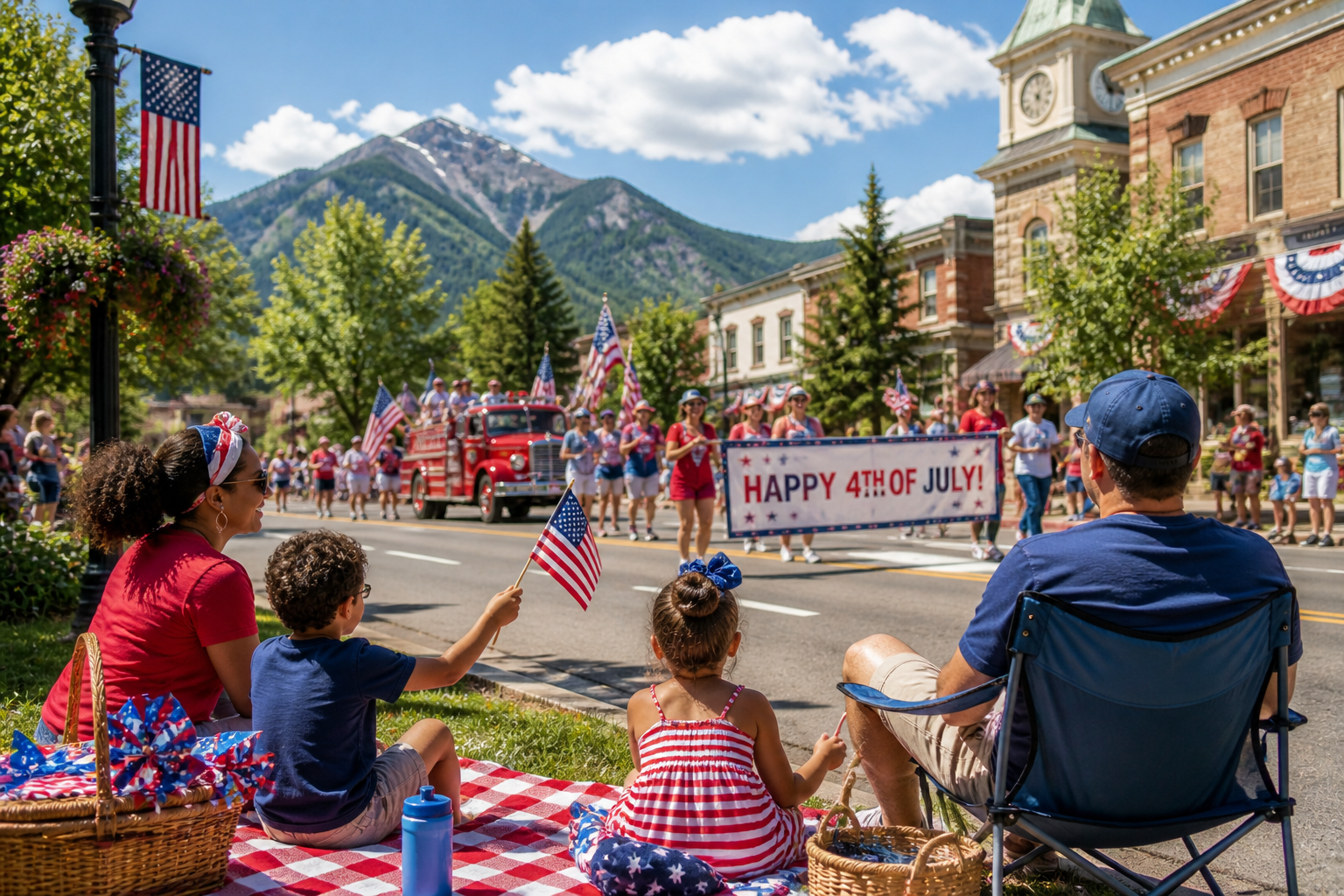
💡 What Travelers Might Find Surprising: Some of the most festive Fourth of July experiences happen long before sunset. Daytime parades, patriotic train rides, historic sites, and small town celebrations can often deliver just as much holiday charm as major fireworks events, while offering more predictability, easier pacing, and a more sensory supportive experience for families.
Planning for Comfort Without Losing the Experience
For families who do want to attend fireworks or larger holiday events, sensory friendly planning does not have to mean avoidance. Often, preparation is what makes participation possible. The goal is not necessarily to eliminate stimulation entirely, but to build in supports that make the experience more manageable and less overwhelming.
Preparation can start with practical tools like noise canceling headphones, ear defenders, sunglasses, comfort objects, sensory toys, cooling towels, or visual schedules that help children understand what to expect. But beyond packing lists, planning also means researching venues ahead of time. Where are quieter zones? Are there family rest spaces? How difficult is parking? Can you leave easily if needed? Are there less crowded viewing areas?
Booking accommodations nearby can also significantly improve flexibility. Being close enough to return to your room, rental, or vehicle can remove a tremendous amount of pressure, especially for travelers who may need decompression time. In some cases, families may choose to watch fireworks from a hotel balcony or a quieter nearby location rather than from the center of the event itself.
Perhaps most importantly, comfort planning also means giving yourself permission to pivot. Leaving early, skipping a headline event, or changing plans altogether does not equal failure. In fact, it often reflects successful planning rooted in realistic needs. A sensory supportive holiday is not about forcing participation at all costs. It is about making sure the experience serves your family, rather than the other way around.
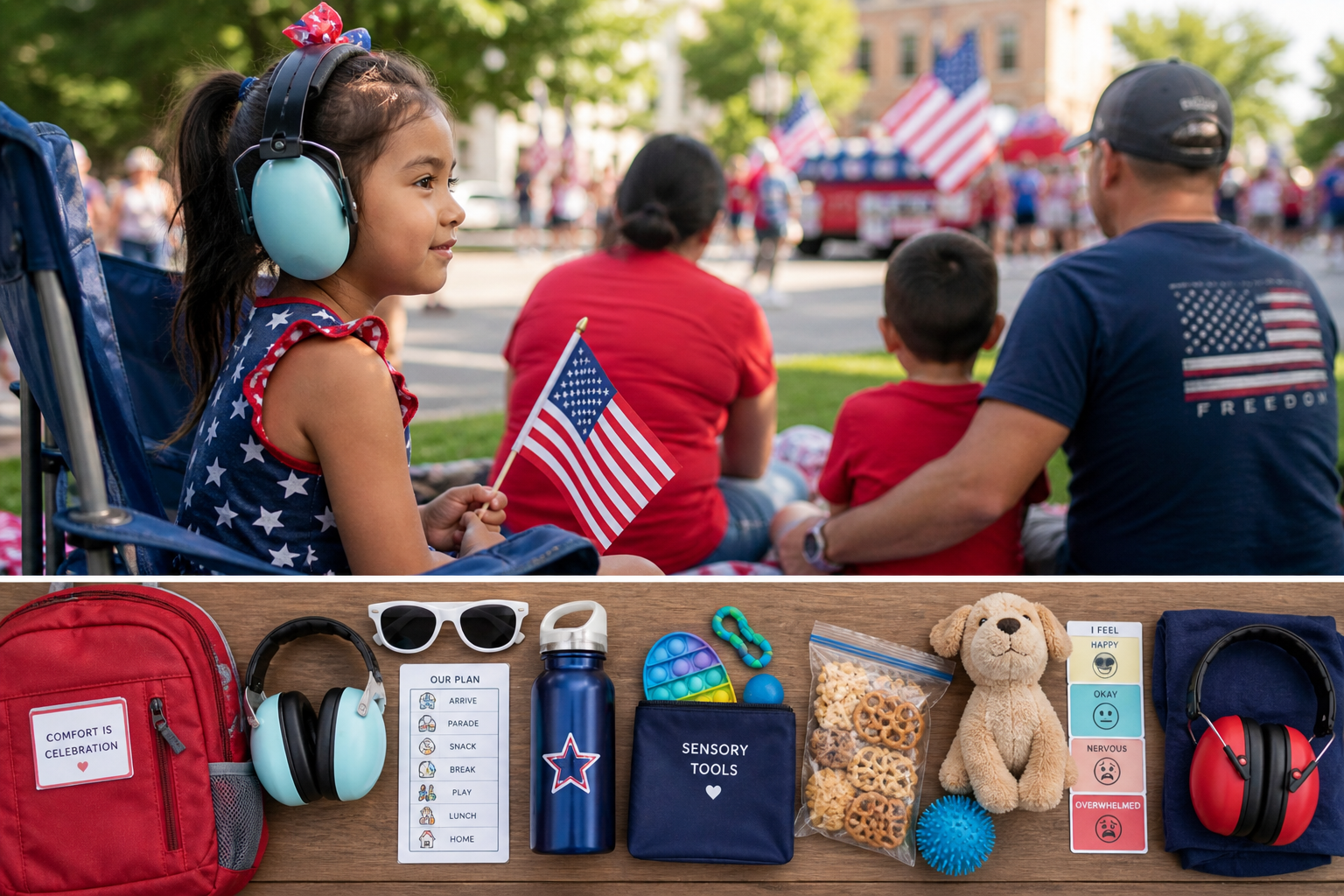
💡 What Travelers Might Find Surprising: Sensory friendly holiday prep is often less about avoiding celebration and more about packing strategically. Simple tools like noise canceling headphones, fidget items, visual schedules, familiar comfort objects, and easy snacks can dramatically improve major holiday outings, helping families stay longer, feel calmer, and enjoy experiences that might otherwise feel overwhelming.
Redefining What Celebration Looks Like
Perhaps the most meaningful part of creating a sensory friendlier Fourth of July is recognizing that celebration does not need to follow a single formula to be valid. Cultural expectations often suggest that louder, bigger, and busier automatically mean better, but that simply is not true for everyone. For many families, joy may look quieter, calmer, and more personal.
For some, celebration may mean a peaceful beach day followed by glow sticks at sunset. For others, it may mean room service on a resort balcony, a small town parade, a scenic road trip, or a private family picnic. Some may choose to skip fireworks entirely and still create traditions that feel deeply meaningful. The holiday’s core themes of freedom, connection, and appreciation can absolutely exist without sensory overload.
Redefining celebration can also be emotionally freeing. Families often feel pressure to meet social expectations, especially around holidays, but honoring sensory needs can create more authentic and positive memories than forcing uncomfortable traditions. Children who feel safe and supported are often more able to engage meaningfully, and adults who are not constantly managing overwhelm can often enjoy the holiday more fully as well.
Sometimes the most powerful part of travel is not simply going somewhere new. It is creating experiences that actually fit the people experiencing them. A sensory friendlier Fourth of July is not about shrinking the holiday. It is about expanding the possibilities of what celebration can look like when comfort, accessibility, and joy are allowed to coexist.
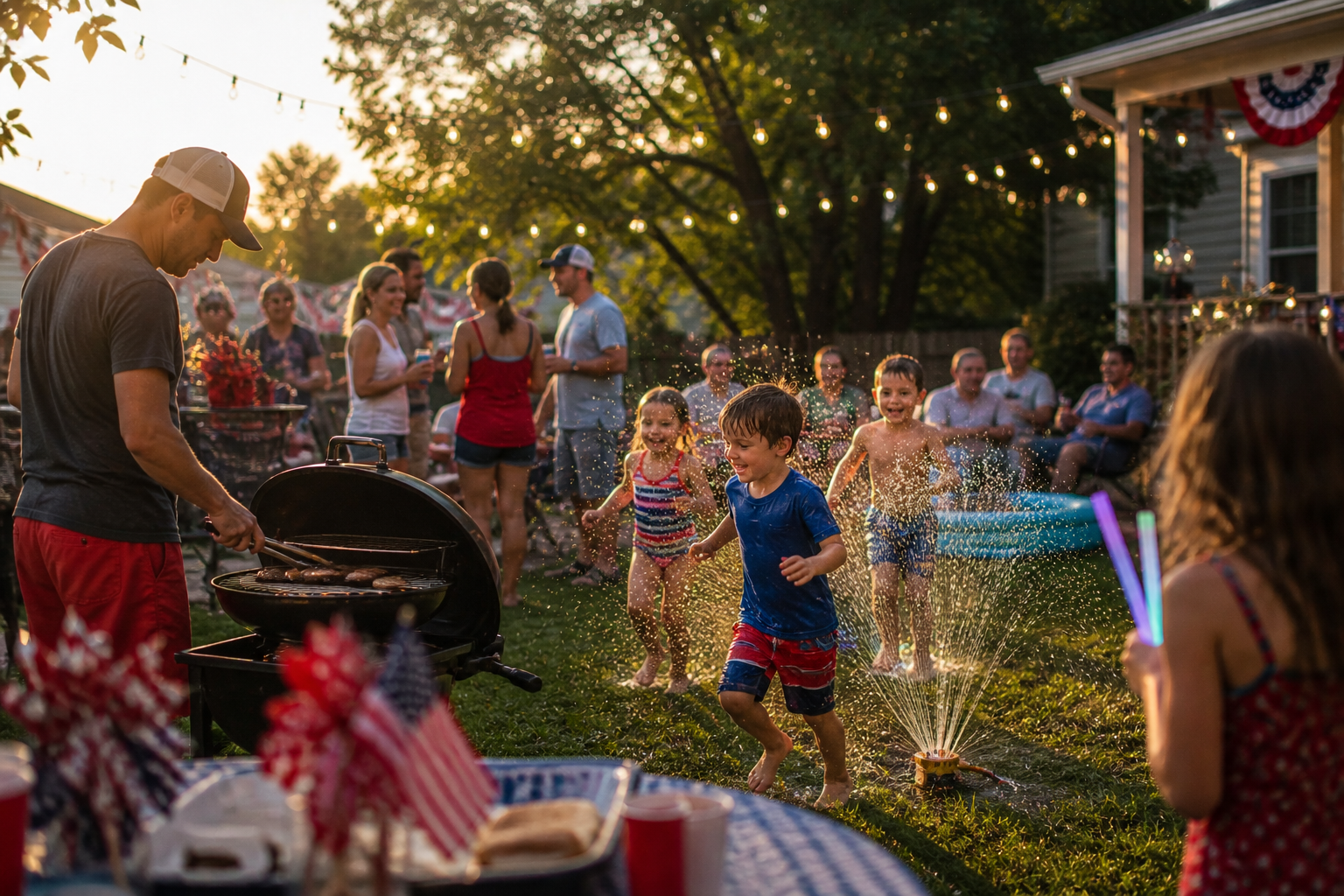
💡 What Travelers Might Find Surprising: Redefining celebration does not always mean quieter equals less fun. For many families, shifting away from traditional fireworks centered plans can actually create more active, joyful, and memorable holidays through backyard barbecues, water play, glow sticks, road trips, or community gatherings that feel more personal and often far less stressful.
Final Thoughts
A sensory friendlier Fourth of July is not about doing less. It is about celebrating with greater intention. When families prioritize comfort, flexibility, and thoughtful planning, they often discover that meaningful holiday experiences do not require overwhelming environments to feel special. In many cases, stepping away from overstimulating expectations creates more room for genuine connection, better memories, and celebrations that feel sustainable year after year.
Whether that means choosing quieter destinations, embracing daytime alternatives, building detailed comfort plans, or redefining traditions entirely, sensory conscious travel can transform the holiday from something stressful into something genuinely enjoyable. Sometimes the best celebrations are not the loudest ones. They are the ones where everyone involved actually gets to enjoy them.
Related Reading
For travelers looking to explore sensory friendly travel, neurodivergent support, and more flexible holiday planning more deeply, the following resources may offer helpful guidance:
• Autism Speaks: Holiday Tips for Autism Families
https://www.autismspeaks.org/holiday
Guidance on navigating holidays, sensory considerations, routine changes, and supportive strategies for autistic individuals and families.• IBCCES Autism Travel
https://autismtravel.com/
Certified autism ready destinations, travel providers, and resources focused on sensory and accessibility support.• TSA Cares
https://www.tsa.gov/contact-center/form/cares
Assistance and planning support for travelers with disabilities, medical needs, or sensory sensitivities navigating airport security.• KultureCity
https://www.kulturecity.org/
Sensory accessibility resources, sensory inclusive venue information, and tools for families seeking more supportive public experiences.• The Autism Society
https://autismsociety.org/
Broad family support resources, advocacy tools, and practical information for autism related planning and daily life.• Verywell Health: Traveling With an Autistic Family Member
https://www.verywellhealth.com/travel-with-an-autistic-family-member-4846332
Practical travel preparation insights focused on predictability, sensory awareness, and family centered planning.
About the Author
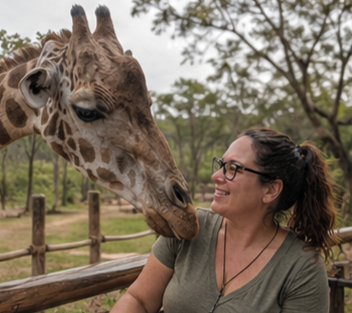
Nadia Justice, CTA, is the founder of Fae Attractions and a Luxury Travel Consultant specializing in hidden gems, remarkable destinations, luxury cruises, unique stays, and extraordinary travel experiences, with expertise in accessibility, sensory-friendly travel, and LGBTQIA+ inclusive travel.